
Polished vs. Unpolished Concrete Floors: Choosing the Right Flooring Solution for Your Needs
By GP Concrete Polishing, GP Concrete Polishing
Selecting between polished and unpolished concrete affects both appearance and function. Polished concrete floors deliver a sleek, durable finish; unpolished concrete provides a more rustic, industrial aesthetic. This article compares the two options to help you choose according to your requirements. It covers the benefits of polished concrete, key surface preparation steps, and maintenance considerations so you understand long-term implications. You will leave with a clear view of which solution best fits residential, commercial, or industrial spaces.
What Are the Key Differences Between Polished and Unpolished Concrete Floors?
They differ in durability, maintenance, appearance, and cost.
- Durability: Polished concrete is more resistant to wear and tear compared to unpolished surfaces, making it ideal for high-traffic areas.
- Maintenance: Polished concrete requires less maintenance due to its smooth surface, which is easier to clean and less prone to staining.
- Aesthetics: The glossy finish of polished concrete enhances the visual appeal of a space, while unpolished concrete offers a more rugged, unfinished look.
- Cost: While the initial installation of polished concrete may be higher, its longevity and lower maintenance costs can make it a more economical choice in the long run.
These distinctions help you select the option that aligns with your operational and aesthetic priorities.
How Does Concrete Surface Preparation Affect Floor Quality?
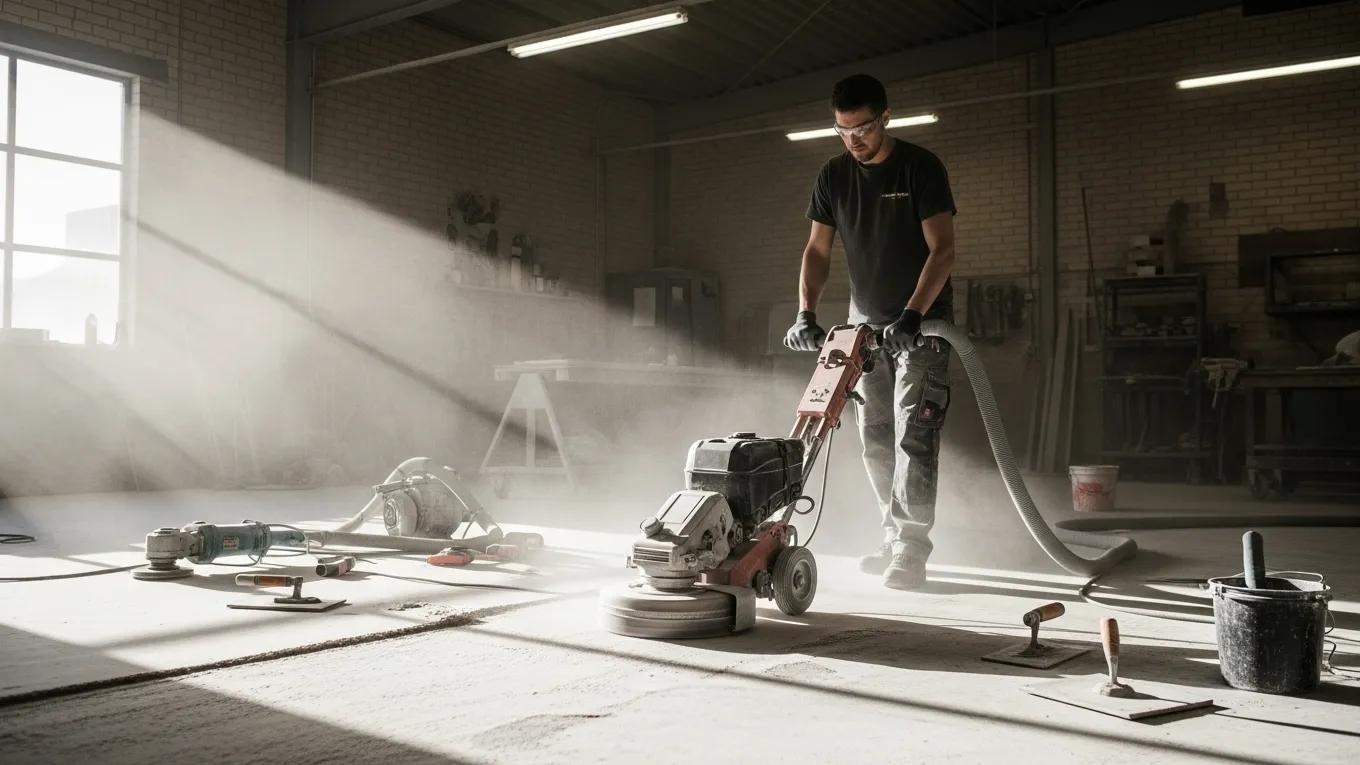
Surface preparation is essential to achieve high-quality polished concrete. It typically includes thorough cleaning, repair of defects, and grinding and densification.
- Cleaning: A clean surface is essential for effective polishing. Any debris or contaminants can affect the final finish.
- Repairing Imperfections: Filling cracks and holes ensures a smooth surface, which is vital for achieving the desired polished look.
- Grinding and Densification: These processes enhance the concrete’s hardness and durability, making it more resistant to wear.
Professional surface preparation improves quality and extends the service life of polished concrete.
What Are the Multi-step Polishing Processes Involved?
Polishing proceeds in multiple stages to achieve a high-gloss finish.
- Initial Evaluation and Preparation: Assessing the condition of the concrete and preparing the surface for polishing.
- Grinding and Leveling: Using diamond grinding tools to remove imperfections and level the surface.
- Final Polishing and Sealing: Applying finer grits to achieve the desired shine and sealing the surface to protect it from stains and moisture.
Each stage is necessary to ensure a durable, visually consistent finish.
Research explores methods to optimize these multi-step processes for improved quality and consistency.
Optimizing Concrete Polishing for High-Quality Surfaces
In conventional polishing processes, the process parameters are selected according to the operator’s expertise in order to achieve a high-quality surface in the final production step. By implementing machine learning (ML) models in process planning, a correlation between process parameter and measured surface quality is generated. The application of this knowledge automates the selection of optimal process parameters in computer-aided manufacturing (CAM) and enables a continuous adaptation of the NC-code to changing process conditions.
Self-optimizing process planning of multi-step polishing processes, B Denkena, 2021
What Are the Benefits of Polished Concrete Floors in Residential and Commercial Settings?
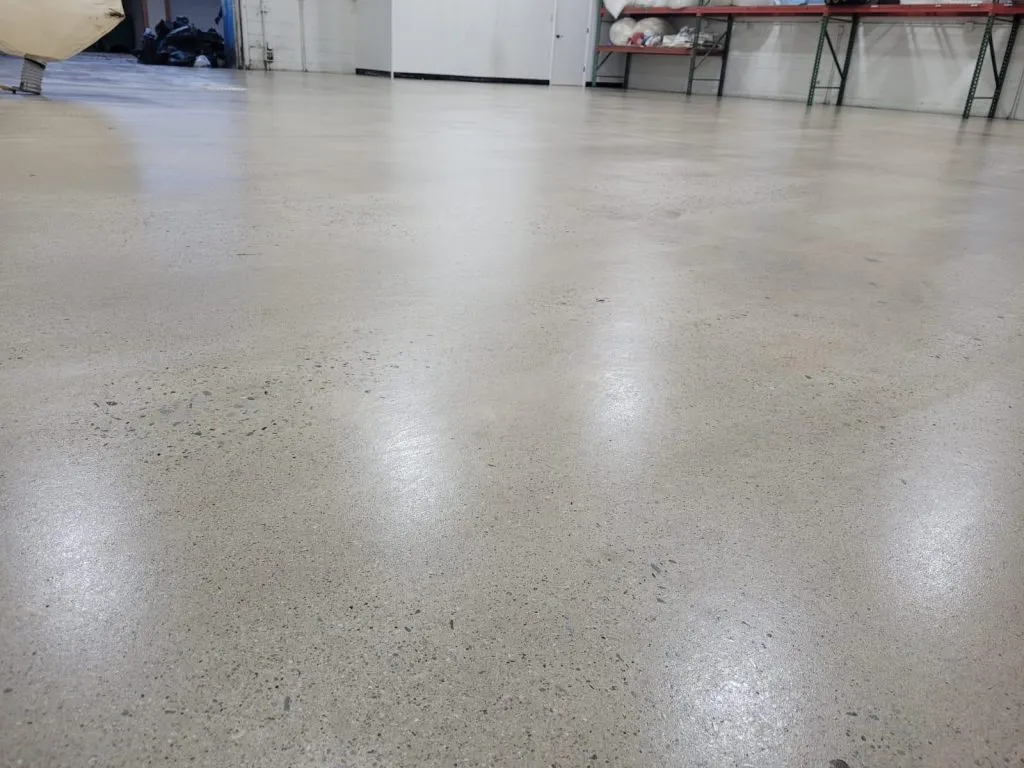
Polished concrete provides several advantages in both residential and commercial settings.
- Durability and Maintenance: Polished concrete is highly durable and requires minimal maintenance, making it suitable for busy environments.
- Aesthetic Appeal: The sleek, shiny surface enhances the overall look of a space, adding a modern touch.
- Cost-effectiveness: While the initial investment may be higher, the long-term savings on maintenance and repairs make polished concrete a cost-effective option.
For those considering polished concrete, GP Concrete Polishing offers tailored, high-quality services to meet specific project requirements.
How Does Polished Concrete Improve Durability and Maintenance?
Polished concrete achieves greater durability through a dense surface that resists damage from foot traffic and spills. Polishing commonly includes sealant application to protect against moisture and stains, extending service life.
- Resistance to Wear and Tear: The hard surface of polished concrete withstands heavy use without showing signs of wear.
- Low Maintenance Requirements: Regular sweeping and occasional mopping are typically all that is needed to keep polished concrete looking its best.
This combination makes polished concrete a practical choice for residential and commercial applications.
What Environmental and Cost Advantages Does Polished Concrete Offer?
Polished concrete is visually appealing and offers environmental and cost advantages.
- Sustainable Use of Materials: Polished concrete utilizes existing concrete slabs, reducing the need for additional materials and minimizing waste.
- Long-term Cost Savings: The durability and low maintenance requirements of polished concrete lead to significant savings over time, making it a smart investment.
These factors make polished concrete a sustainable option for property owners concerned with environmental impact.
How Should You Maintain Polished Concrete Floors for Longevity?
To preserve polished concrete floors, regular maintenance is essential. Recommended actions include:
- Regular Cleaning: Sweep or vacuum regularly to remove dirt and debris.
- Use Recommended Products: Utilize pH-neutral cleaners specifically designed for polished concrete.
- Establish a Maintenance Schedule: Regularly schedule professional cleaning and resealing to maintain the floor’s shine and protect it from damage.
Adhering to these practices will extend the service life of your polished concrete floors.
How Does Maintenance Differ Between Polished and Unpolished Floors?
Maintenance requirements differ markedly between polished and unpolished concrete.
- Polished Floors: Require less frequent cleaning and are easier to maintain due to their smooth surface.
- Unpolished Floors: Tend to accumulate dirt and stains more easily, necessitating more frequent cleaning and maintenance efforts.
Understanding these differences helps you select the option that aligns with available maintenance resources.
Which Concrete Floor Preparation Techniques Are Essential Before Polishing?
Prior to polishing, essential preparation techniques are required to ensure successful results.
- Cleaning and Repairing Defects: Thoroughly clean the surface and repair any cracks or imperfections.
- Grinding and Leveling: Use diamond grinding tools to achieve a smooth, level surface.
- Moisture Evaluation: Assess moisture levels to prevent issues during the polishing process.
These techniques are critical to achieving high-quality polished concrete.
Why Is Concrete Grinding and Crack Repair Critical?
Grinding and crack repair are vital steps in polishing.
- Surface Leveling: Grinding ensures that the surface is even, which is essential for achieving a uniform polish.
- Aesthetic Appeal: Repairing cracks and imperfections enhances the overall appearance of the floor, resulting in a more polished look.
Prioritizing these steps ensures a successful polished concrete installation.
How Does Moisture Evaluation Influence Surface Refinement?
Moisture evaluation plays a key role in surface refinement.
- Moisture Management: High moisture levels can lead to issues such as peeling or delamination of the polish.
- Impact on Finish Quality: Proper moisture evaluation ensures that the surface is adequately prepared for polishing, resulting in a better finish.
Recognizing moisture influence helps achieve optimal polishing results.
What Makes Polished Concrete Floors Suitable for Industrial and Commercial Applications?
Polished concrete is well suited to industrial and commercial uses because of its durability and low maintenance.
- Durability: The hard surface can withstand heavy machinery and foot traffic without damage.
- Low Maintenance: The ease of cleaning and maintenance makes polished concrete ideal for busy commercial environments.
These attributes make polished concrete a preferred choice for warehouses, retail spaces, and other commercial environments.
How Does Polished Concrete Enhance Commercial Floor Durability?
Polished concrete improves commercial floor durability with a dense, hard surface that resists wear.
- Resistance to Heavy Use: Polished concrete can withstand the demands of high-traffic areas without showing signs of damage.
- Longevity: The durability of polished concrete translates to a longer lifespan, reducing the need for frequent repairs or replacements.
This durability makes polished concrete a sound investment for commercial properties.
What Are the Dust Reduction and Light Reflectivity Benefits?
Polished concrete offers benefits in dust reduction and light reflectivity.
- Dust Control: The smooth surface of polished concrete minimizes dust accumulation, leading to a cleaner environment.
- Energy Efficiency: The reflective surface enhances natural and artificial lighting, reducing the need for additional lighting sources.
These benefits contribute to a cleaner, more energy-efficient environment.
This table summarizes the key benefits of polished concrete floors, highlighting their impact on both aesthetics and functionality.
Choosing between polished and unpolished concrete requires consideration of durability, maintenance, appearance, and cost. Polished concrete provides several advantages for residential and commercial use. Understanding these differences will enable an informed decision that aligns with your project requirements.