
Essential Post-Polishing Maintenance Tips for Long-Lasting Concrete Surfaces: Expert Concrete Floor Care Guidance
By GP Concrete Polishing, GP Concrete Polishing
Proper maintenance preserves the appearance and service life of polished concrete. Regular care protects your investment in both residential and commercial settings. This article summarises post-polishing practices including routine cleaning, spill response, long-term maintenance and the benefits of consistent care. Follow these guidelines to prevent common issues and keep polished concrete durable and attractive for years.
Regular Cleaning Practices:
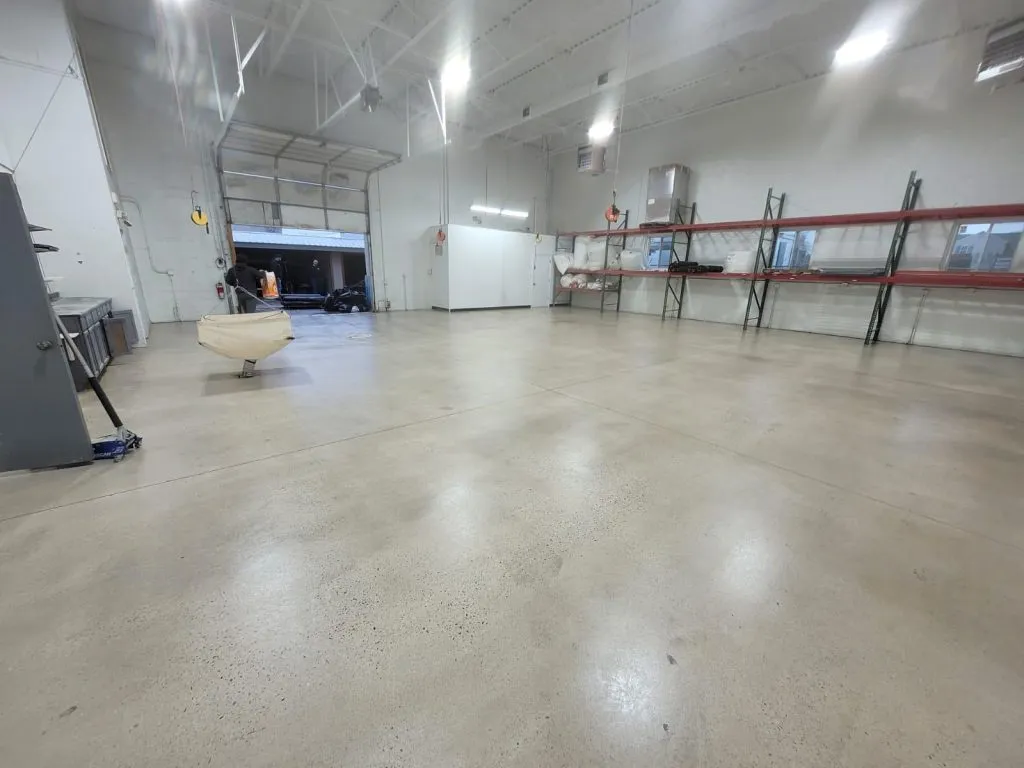
A consistent cleaning programme preserves the floor’s appearance and integrity. Sweep or dust-mop daily to remove loose debris and prevent abrasion. Wet-mop weekly with a pH-neutral cleaner to maintain the finish without harm. Avoid abrasive or acidic products that can dull the surface. These simple routines help retain the floor’s shine and condition.
Research highlights that comprehensive floor treatment, including polishing, is an integral component of effective floor care.
Polished Floor Treatment & Essential Floor Care Methods
This reference notes that floor treatment methods include polishing and that such treatments are relevant to the present scenario. It is assumed that LV uses this as the requested floor care.
Environmental and economic benefits of industrial product/service systems, E Sundin, 2010
Managing Spills and High-Traffic Areas:
Respond to spills immediately to prevent stains and surface damage. Blot or absorb liquids with a soft cloth or mop. Use mats in high-traffic zones and encourage clean footwear to limit dirt transfer. Inspect these areas regularly to detect wear early and schedule maintenance as required. These measures reduce the risk of deterioration.
Long-Term Maintenance:
Long-term care includes scheduled inspections, periodic sealing and prompt repair of wear. Evaluate the floor regularly to identify repairs. Reapply sealant every few years to reduce staining and improve durability. Address scratches or areas of dullness promptly to prevent escalation. These strategies maintain both function and appearance.
Developing robust maintenance strategies is essential to preserve the quality and appearance of polished flooring over time.
Maintenance Strategies & Cleaning for Polished Stone Flooring
The source recommends focusing on maintenance strategies for buildings. It observes that polished granite cladding tiles are commonly used as flooring and are often maintained by mechanical cleaning with detergents and scrubbers. Anionic detergents without chelating agents are typically recommended to avoid material damage.
Evaluation of side effects of mechanical cleaning with an anionic detergent on granite cladding tiles, MFC Pereira, 2021
For professional assistance, GP Concrete Polishing specialises in polished concrete systems and offers maintenance services tailored to client needs. Their expertise supports the longevity and appearance of polished floors.
Enhancing Durability:
Regular maintenance improves durability by preserving surface aesthetics and stain resistance. Proactive care reduces repair costs and maintains visual standards. Adopting recommended practices results in a more durable and long-lasting floor.
What Are the Key Benefits of Maintaining Polished Concrete Floors?
Maintained polished concrete floors provide several measurable benefits:
- Enhanced Strength: Regular maintenance helps preserve the structural integrity of the concrete, preventing cracks and damage.
- Resistance to Stains: Proper care reduces the likelihood of stains, keeping the surface looking clean and new.
- Long Lifespan: Consistent maintenance practices can significantly extend the life of polished concrete floors, making them a cost-effective choice.
GP Concrete Polishing provides expert services to help preserve these benefits and keep floors in optimal condition.
How Does Proper Maintenance Enhance Durability and Appearance?
Proper maintenance prevents dirt accumulation that leads to scratches and dullness. Sealing protects against moisture and stains, extending service life. These practices preserve shine and visual appeal over time and support effective floor care.
What Cost Savings Result from Effective Concrete Floor Care?
Effective floor care delivers measurable cost savings in several areas:
- Lower Cleaning Costs: Regular maintenance reduces the need for intensive cleaning services, saving money in the long run.
- Minimized Repair Expenses: Addressing minor issues promptly prevents them from escalating into costly repairs.
- Extended Lifespan Savings: By prolonging the life of polished concrete floors, property owners can avoid the expense of premature replacement.
Investing in proper maintenance is a financially prudent choice that yields long-term returns.
How Should You Prepare Concrete Surfaces Before Polishing?
Preparation before polishing is essential to achieve optimal results. Key steps include:
- Thorough Cleaning: Ensure the surface is free of dust, dirt, and debris to allow for effective polishing.
- Repairing Defects: Address any cracks or imperfections in the concrete to ensure a smooth finish.
- Planning Logistics: Consider the environment and conditions under which the polishing will take place to ensure the best results.
These preparation steps are critical to achieving a successful polish.
What Are the Essential Concrete Surface Preparation Techniques?
Essential techniques for preparing concrete surfaces include:
- Cleaning the Floor Thoroughly: Use appropriate cleaning methods to remove all contaminants.
- Repairing Concrete Defects: Fill in cracks and holes to create a uniform surface.
- Using Recommended Tools: Employ the right tools and equipment for effective surface preparation.
These techniques establish the basis for a quality polishing outcome.
Why Is Surface Preparation Critical for Polishing Success?
Surface preparation directly affects the final finish. A clean, well-prepared substrate improves adhesion of polishing compounds and yields a smoother, more reflective surface. Proper preparation reduces the risk of imperfections and supports a high-quality result. Engaging experienced contractors further improves effectiveness.
What Are the Recommended Post-Polishing Maintenance Schedules and Tasks?
A structured maintenance schedule supports floor longevity. Recommended tasks include:
- Daily Tasks: Sweep and dust-mop to remove debris.
- Weekly Tasks: Wet mop with a pH-neutral cleaner to maintain shine.
- Monthly Inspections: Check for signs of wear and address any issues promptly.
Adherence to this schedule will help keep floors in excellent condition.
Which Daily, Weekly, and Monthly Cleaning Steps Ensure Floor Longevity?
To preserve longevity, implement the following cleaning steps:
- Daily Sweeping: Remove dirt and debris to prevent scratches.
- Weekly Mopping: Use a pH-neutral cleaner to maintain the floor’s finish.
- Monthly Inspections: Assess the condition of the floor and address any wear.
These steps maintain the appearance and durability of polished concrete surfaces.
How Can Maintenance Schedules Prevent Common Issues Like Dusting and Scratches?
Regular maintenance prevents common issues such as dusting and scratches. Daily cleaning removes particles that cause abrasion, while timely inspections allow early detection of wear. Periodic polishing helps retain shine and reduces dust accumulation. A consistent schedule lowers the risk of these problems.
Which Cleaning Products and Techniques Are Safe and Effective for Polished Concrete?
Select cleaning products that are safe and effective. Recommended items include:
- pH-Neutral Cleaners: These are gentle on the surface and prevent damage.
- Microfiber Mops: Ideal for trapping dust and dirt without scratching.
- Concrete Sealants: Help protect the surface from stains and moisture.
Appropriate products and techniques support the long-term performance of polished concrete.
What Types of Cleaners Are Recommended for Polished Concrete Floors?
For polished concrete floors, the following types of cleaners are recommended:
- pH-Neutral Cleaners: Safe for regular use and effective in maintaining shine.
- Microfiber Mops: Effective for dusting and cleaning without causing scratches.
- Concrete Sealants: Provide an additional layer of protection against stains.
These cleaners help preserve appearance and long-term durability of polished concrete surfaces.
How Should You Apply Cleaning Methods to Preserve Floor Finish?
To preserve the finish of polished concrete floors, apply cleaning methods as follows:
- Daily and Weekly Cleaning: Implement a routine that includes sweeping and mopping with appropriate cleaners.
- Managing Spills Promptly: Address spills immediately to prevent staining.
- Long-Term Maintenance Strategies: Regularly inspect and seal the surface to maintain its integrity.
These methods support continued performance and appearance of the floor.
How Can You Troubleshoot and Address Common Post-Polishing Issues?
Identify and address post-polishing issues promptly. Key strategies include:
- Repairing Scratches: Use appropriate products to fill in and polish over scratches.
- Addressing Stains: Identify the type of stain and use suitable cleaning methods for removal.
- Preventing Dusting: Implement regular cleaning and maintenance to minimize dust accumulation.
Applying these strategies enables effective management of common issues that arise after polishing.
What Are the Best Practices for Repairing Scratches, Stains, and Dusting?
Best practices for repairing scratches, stains, and dusting include:
- Immediate Attention to Scratches: Address scratches as soon as they occur to prevent further damage.
- Effective Stain Removal Techniques: Use the appropriate cleaning products based on the type of stain.
- Dusting Prevention Methods: Regular cleaning and maintenance will help keep dust at bay.
Implementing these practices preserves the appearance and integrity of polished concrete floors.
When Should You Consult Professionals for Floor Restoration?
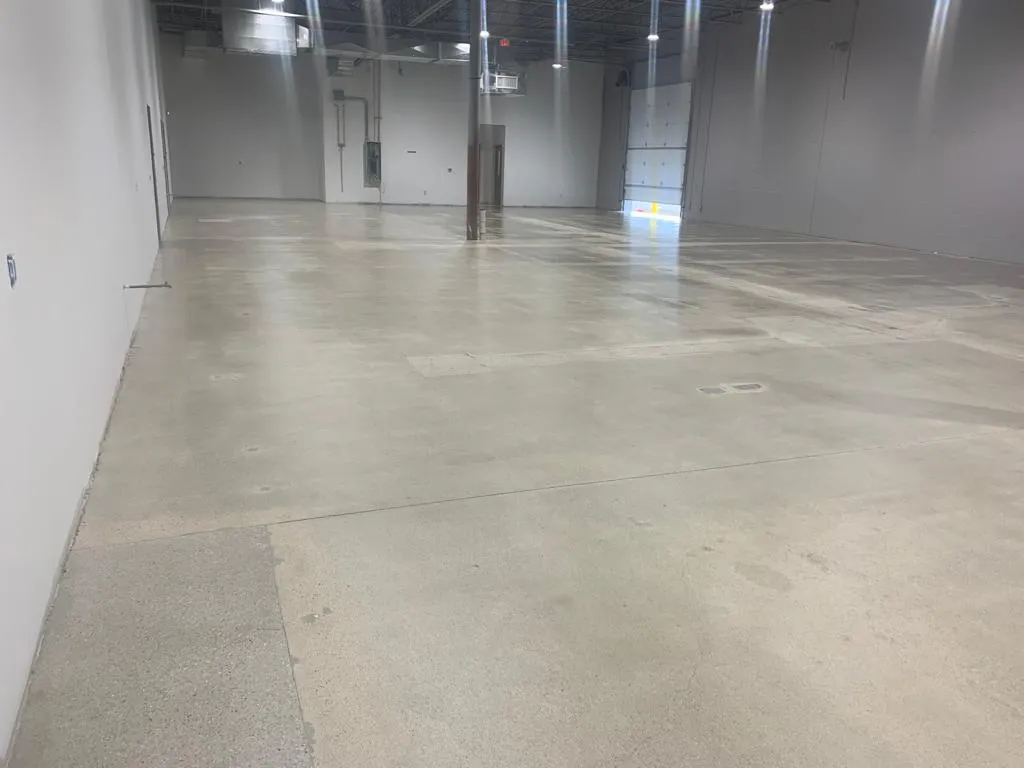
Engage professional restoration when one or more of the following apply:
- Signs of Severe Damage: If you notice significant cracks or wear, professional help is essential.
- Benefits of Professional Restoration: Experts can provide advanced techniques and products for effective restoration.
- Cost Considerations: Weigh the cost of professional services against potential repair expenses.
Engaging professionals ensures floors receive expert restoration and appropriate care.
What Are the Long-Term Care Strategies for Maintaining Polished Concrete Floors?
Long-term care strategies include:
- Regular Inspections: Schedule periodic assessments to identify wear and tear.
- Periodic Sealing: Reapply sealants every few years to protect the surface.
- Long-Term Maintenance Planning: Develop a comprehensive maintenance plan to ensure ongoing care.
These measures help extend the service life of polished concrete surfaces.
How Does Surface Densification Contribute to Maintenance Efficiency?
Densification improves maintenance efficiency by increasing concrete density and resistance to stains and wear. As a result, maintenance frequency can be reduced, which can lower costs over time. Understanding these benefits helps property owners make informed decisions about concrete care.
Densification reduces permeability to liquids and improves stain resistance, thereby simplifying ongoing maintenance.
Concrete Densification for Stain Resistance & Floor Maintenance
Densifying the concrete surface makes it less permeable to liquids and more able to resist stains, thereby facilitating maintenance.
Densify Faster, Densify Cleaner, Densify Greener: Enhancing Polished Concrete Floors, 2010
What Are the Signs That Indicate the Need for Resurfacing or Resealing?
Signs indicating the need for resurfacing or resealing include:
- Visible Wear and Tear: Noticeable scratches or dullness on the surface.
- Loss of Shine: A significant decrease in the floor’s reflective quality.
- Increased Staining: Difficulty in removing stains that were previously easy to clean.
Early recognition of these signs enables timely intervention to maintain polished concrete floors.