
Polished Concrete vs. Epoxy Flooring: Choosing the Optimal Commercial Flooring for Michigan Businesses
By GP Concrete Polishing, GP Concrete Polishing
When selecting the right flooring for a business in Michigan, two popular options often come to mind: polished concrete and epoxy flooring. Each choice offers unique benefits and considerations that can significantly impact operational efficiency, aesthetic appeal, and maintenance costs. This article aims to explore the differences between these flooring solutions, especially regarding durability, costs, maintenance requirements, and other factors crucial for Michigan businesses. By the end of this analysis, you’ll better understand which flooring option aligns best with your specific needs.
The comparison begins with a look at durability, where we’ll assess how each flooring type withstands wear and tear. Following that, we’ll delve into the cost implications of both options, noting both initial investments and long-term savings. The section on maintenance requirements will highlight what is necessary for each type to remain in top condition. Finally, we will consider the aesthetic appeal and environmental impact of polished concrete and epoxy flooring, providing a holistic view of their benefits.
Durability
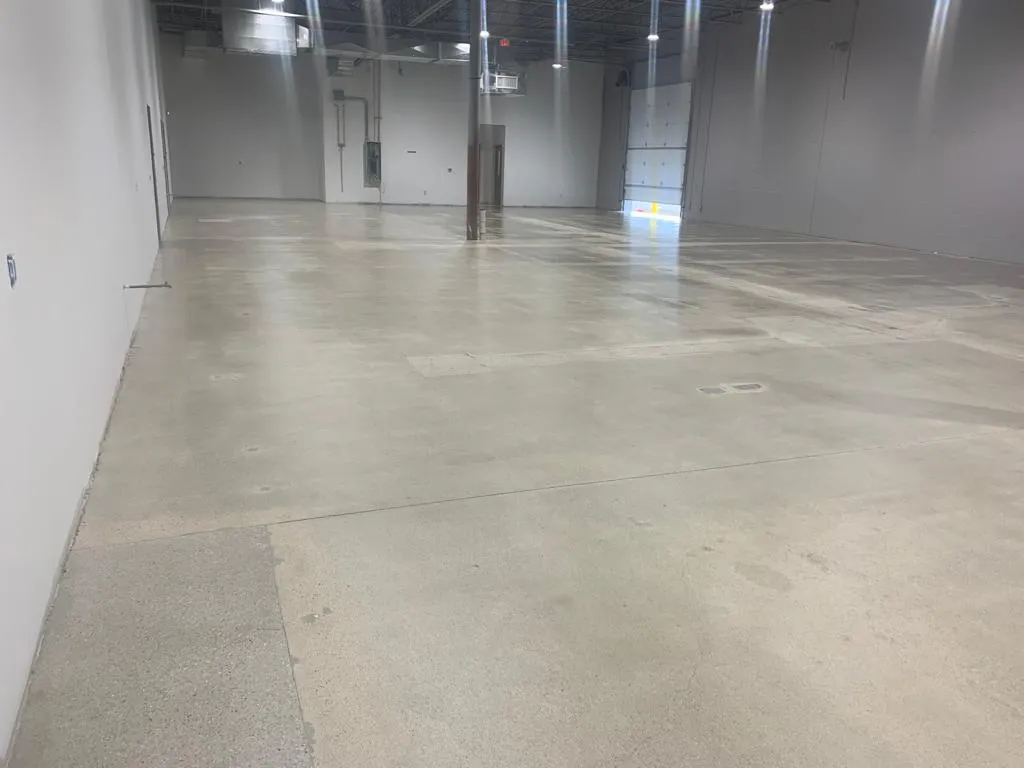
Durability is a critical factor when comparing polished concrete and epoxy flooring for commercial use. Polished concrete generally lasts longer than epoxy, making it a reliable choice for Michigan businesses. With its robust surface, polished concrete can withstand considerable wear and damage, which is particularly beneficial in high-traffic areas. In contrast, while epoxy flooring can seem durable initially, its lifespan tends to be shorter, particularly when exposed to heavy use or extreme temperatures.
For businesses aiming for longevity and lower replacement costs, polished concrete often proves the superior choice. The inherent strength of polished concrete, combined with its resistance to cracking and chipping, ensures that it remains a viable flooring option even in demanding environments.
In terms of maintenance and upkeep, the durability of polished concrete also plays a pivotal role. Considering GP Concrete Polishing’s services, they employ a mechanical multi-step process that includes grinding, honing, densifying, and polishing to enhance the floor’s durability even further, making it ideal for Michigan’s varied climatic conditions.
Cost
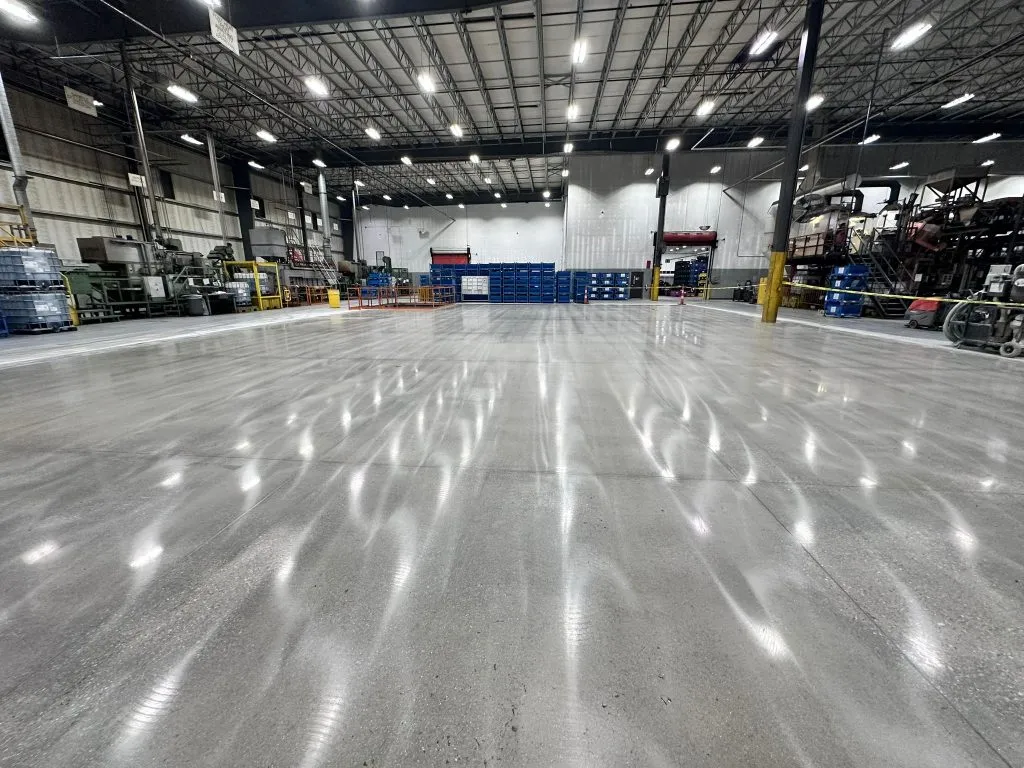
When analyzing the costs associated with polished concrete and epoxy flooring, several factors come into play. Initially, the installation costs of polished concrete may be higher, averaging around $4 to $8 per square foot, depending on the project specifics. Conversely, epoxy flooring can be more affordable upfront, ranging from $2 to $7 per square foot, but this does not account for potential long-term maintenance and replacement costs.
In the long run, polished concrete proves to be a more economical choice. It typically requires less maintenance over time, leading to savings that can offset the higher initial costs. Regular maintenance for polished concrete generally consists of simple cleaning, while epoxy floors may require more extensive upkeep, such as periodic re-coating and repairs due to chipping or discoloration.
GP Concrete Polishing emphasizes this economic advantage, making them a smart choice for businesses seeking to invest in their flooring for the long term.
Maintenance
The maintenance requirements for polished concrete and epoxy flooring are considerably different, impacting the overall cost of ownership. Polished concrete needs less frequent maintenance and is less susceptible to stains or damage. Regular cleaning with a damp mop or floor scrubber suffices to keep the surface in excellent condition, which is a significant advantage for busy commercial spaces.
On the other hand, epoxy flooring requires more intensive care. Over time, the finish can become scratched or worn, necessitating more frequent re-applications to maintain its appearance and functionality. In Michigan’s diverse climate, where temperature fluctuations can affect flooring materials, maintaining epoxy surfaces could become a higher expense than originally anticipated.
The following table summarizes the maintenance requirements for both flooring types:
Businesses focused on minimal maintenance and long-term performance often find polished concrete aligns more closely with their operational goals.
Aesthetics
Aesthetics can play a vital role in a business’s image, especially in customer-facing environments. Polished concrete offers a natural, stylish finish that enhances brightness and cleanliness in any space. Its reflective surface can help lighten up areas, contributing to a welcoming atmosphere.
Conversely, epoxy flooring is available in various colors and finishes, allowing for more customization to match business branding. However, the synthetic appearance may not align with the natural aesthetic preferences of some businesses. Ultimately, the choice between polished concrete or epoxy flooring may come down to the desired visual impact and brand image.
Environmental Impact
Sustainability is an increasingly important factor in flooring selection. Polished concrete is predominantly composed of natural materials, making it a more environmentally friendly option than epoxy, which often includes synthetic resins and chemicals. Additionally, the durability of polished concrete translates to a longer lifespan, which further reduces environmental impact by decreasing the frequency of replacements.
Businesses looking to make eco-conscious choices may prefer polished concrete due to its lower emissions and natural composition. This aligns with the growing trend among Michigan businesses focusing on sustainable practices.
What Are the Key Differences Between Polished Concrete and Epoxy Flooring?
Understanding the key differences between polished concrete and epoxy flooring can help business owners make informed decisions. Below are essential considerations:
- Durability:Polished concrete typically lasts longer and withstands heavy traffic.Epoxy may wear out faster and require replacement sooner.
- Cost:Initial costs may be higher for polished concrete, but long-term savings in maintenance can be significant.Epoxy is cheaper upfront but may incur additional costs over its lifespan.
- Maintenance:Polished concrete requires less maintenance and is easier to upkeep.Epoxy needs more frequent care, including potential re-coating.
- Aesthetics:Polished concrete offers a natural and elegant finish.Epoxy provides a wide range of color options but may appear more synthetic.
- Environmental Impact:Polished concrete is more sustainable due to its natural materials and long-lasting nature.Epoxy flooring involves synthetic components that may not be eco-friendly.
Choosing the right flooring is essential for ensuring the long-term success of a Michigan-based business.
How Does the Concrete Polishing Process Enhance Floor Durability?
The concrete polishing process, utilized by professionals like GP Concrete Polishing, enhances durability through several critical steps:
- Grinding: This initial phase removes imperfections and prepares the surface for further treatment.
- Honing: A series of progressively finer grits smooth the surface, creating an even finish.
- Densifying: Chemical densifiers increase the density of the concrete, reinforcing its structure and resistance to wear.
- Polishing: The final polish adds shine and enhances the protective features of the surface.
These processes work together to create a floor that not only looks beautiful but can also withstand the rigors of daily business activities, making polished concrete a wise investment.
What Are the Main Characteristics and Application Challenges of Epoxy Flooring?
Epoxy flooring offers some impressive characteristics, including strong adhesion and chemical resistance, making it suitable for various industrial applications. However, there1 are notable challenges:
- Installation Pre-requisites: Proper surface preparation is crucial to avoid peeling or bubbling.
- Temperature Sensitivity: Epoxy can be sensitive to extreme temperatures, impacting application and performance.
- Limited Lifespan: Over time, epoxy can require replacement due to wear or discoloration, leading to increased long-term costs.
Understanding these characteristics and challenges will help businesses decide if epoxy flooring meets their specific operational needs.
How Does Concrete Surface Preparation Impact Flooring Longevity in Michigan?
Effective surface preparation is pivotal for ensuring flooring longevity, particularly in Michigan’s variable climate. Properly preparing the concrete involves several critical steps:
- Crack Repair: Addressing cracks before installation prevents future issues and enhances the integrity of the floor.
- Moisture Testing: Testing for moisture levels is essential, as excess moisture can lead to poor adhesion and longevity of coatings.
- Smoothing: Ensuring a smooth surface is key for effective coating application and preventing wear.
By emphasizing thorough surface preparation, businesses can greatly extend the lifespan of their chosen flooring solution.
Which Surface Preparation Techniques Are Crucial for Polished Concrete?
The following surface preparation techniques are essential for achieving optimal results with polished concrete:
- Inspection: Thoroughly inspecting the flooring for imperfections before treatment.
- Grinding: Ensuring a level surface during the initial phase creates a solid foundation for polishing.
- Densification: Applying densifying agents helps to enhance the concrete’s strength and durability prior to polishing.
When executed correctly, these techniques significantly improve the quality of the finished floor.
How Does Crack Repair and Moisture Testing Affect Both Flooring Types?
Crack repair and moisture testing are two critical factors for maintaining flooring longevity, especially in Michigan’s climate:
- Crack Repair: Addressing cracks is essential, as they can lead to further damage and undermine the floor’s integrity.
- Moisture Levels: High moisture can lead to adhesion issues with both polished concrete and epoxy, emphasizing the importance of thorough testing prior to installation and maintenance.
Mitigating these challenges through diligent monitoring can help businesses maintain their flooring for years to come.
What Are the Durability and Maintenance Considerations for Polished Concrete and Epoxy Floors?
Both polished concrete and epoxy flooring have unique durability and maintenance considerations. For polished concrete, minimal maintenance mainly involves regular cleaning and occasional polishing. In contrast, epoxy floors may require more frequent maintenance and potential reapplications to counteract wear from traffic and environmental factors.
How Do Abrasion Resistance and Dusting Compare Between the Two Flooring Options?
Polished concrete generally exhibits superior abrasion resistance, making it better suited for high-traffic areas. The dense surface helps prevent dusting, which can be a significant concern for cleanliness in commercial environments. Epoxy flooring, while durable, can show signs of wear faster under heavy traffic conditions, leading to increased maintenance.
Abrasion Resistance of Polished Concrete in Water
With the aim of enhancing the overall durability and performance ofconcretestructures that are subject to water-related abrasion, this article explores the effects of hydraulic abrasion on polished and non-polishedconcretesurface usingASTM C1138test. The results showed that theconcretesurface improvement by polished surface with cement powder resulted in a 34 % increase in theabrasion resistanceof theconcretesurface compared to the untreatedconcretesurface,concretestrength and surface treatment lead to improvedabrasion resistanceofconcretesurfaces in abrasive hydraulic conditions.
Experimental study on abrasion resistance of polished concrete in the water environment, RAW Razzaq, 2025
In fact, recent studies confirm that polished concrete’s superior surface improvement can significantly increase its resistance to abrasion.
Can Polished Concrete and Epoxy Surfaces Be Repaired Effectively in Michigan’s Climate?
Repairs for polished concrete typically involve minor surface treatments, making it easy to maintain over time. On the other hand, epoxy surfaces may require more extensive repairs and re-coatings, especially in Michigan’s changing seasons, where temperature variations could exacerbate material degradation.
How Do Aesthetic and Environmental Factors Influence Flooring Choice for Michigan Businesses?
Aesthetics play a crucial role in the choice of flooring, with polished concrete offering a sleek, modern look that reflects natural light. Epoxy flooring allows for enhanced customization and can align closely with specific branding efforts. From an environmental standpoint, the sustainability of polished concrete often appeals to businesses committed to eco-friendly practices.
What Are the Light Reflectivity and Cleanliness Benefits of Polished Concrete?
Polished concrete provides outstanding light reflectivity, which can brighten spaces and enhance overall cleanliness. The smooth surface minimizes dust accumulation, promoting healthier indoor environments. In contrast, epoxy flooring can attract dust and may require more frequent cleaning efforts to maintain its appearance.
How Does Epoxy Flooring Compare in Appearance and Environmental Impact?
While epoxy flooring offers vibrant color options and custom designs, it does not generally match the environmental benefits of polished concrete. The synthetic materials involved in epoxy production can emit volatile organic compounds (VOCs), raising environmental concerns. Opting for polished concrete can contribute to a healthier indoor atmosphere, aligning with sustainable building practices.
What Are the Cost and Lifespan Expectations for Polished Concrete and Epoxy Flooring in Michigan?
The costs associated with polished concrete versus epoxy flooring are critical factors for any business. Polished concrete can offer lifespan advantages over epoxy, which may wear out in as little as five to ten years under heavy use. Polished concrete, conversely, may last a decade or more with proper care, making it a more cost-effective choice long-term.
How Do Initial Installation and Long-Term Maintenance Costs Compare?
Initial installation costs can vary, but polished concrete’s durability often results in lower long-term maintenance costs, whereas epoxy may appear cheaper upfront but can lead to higher expenses as time goes on.
What Is the Typical Lifespan of Each Flooring Type Under Commercial Use?
Typical lifespans for glossy polished concrete can reach 20 years or more in commercial environments, while epoxy flooring tends to require replacement every 5 to 7 years depending on usage and environmental factors.
Which Flooring Option Suits Different Michigan Industrial and Commercial Environments?
Selecting flooring based on specific needs is vital for achieving the best performance. Polished concrete excels in high-traffic areas, such as retail spaces and warehouses, due to its longevity and low maintenance, while epoxy may work well in environments requiring chemical resistance, such as laboratories or manufacturing facilities.
What Are the Advantages of Polished Concrete in High-Traffic Areas?
The durability of polished concrete makes it ideal for high-traffic environments, reducing the need for frequent repairs or replacements. Its resistance to wear and tear ensures that businesses can focus on operations without the burden of flooring concerns.
When Is Epoxy Flooring Preferable for Specific Michigan Business Needs?
Epoxy flooring may be more suitable for areas requiring chemical resistance or specific aesthetic designs. Businesses in industries such as food service or healthcare might benefit from the customizable aspects of epoxy, despite its increased maintenance requirements.