
Understanding Quality Disparities in Residential and Commercial Concrete Polishing Services
By GP Concrete Polishing, GP Concrete Polishing
Introduction
Concrete polishing is a durable and visually appealing flooring option for both homes and commercial properties. Property owners must understand the quality differences between residential and commercial services to select the appropriate solution. This article explains benefits, core processes, and durability considerations to support informed decisions. It emphasises surface preparation, technique selection, and long-term value.
Benefits of Concrete Polishing
Residential Concrete Polishing
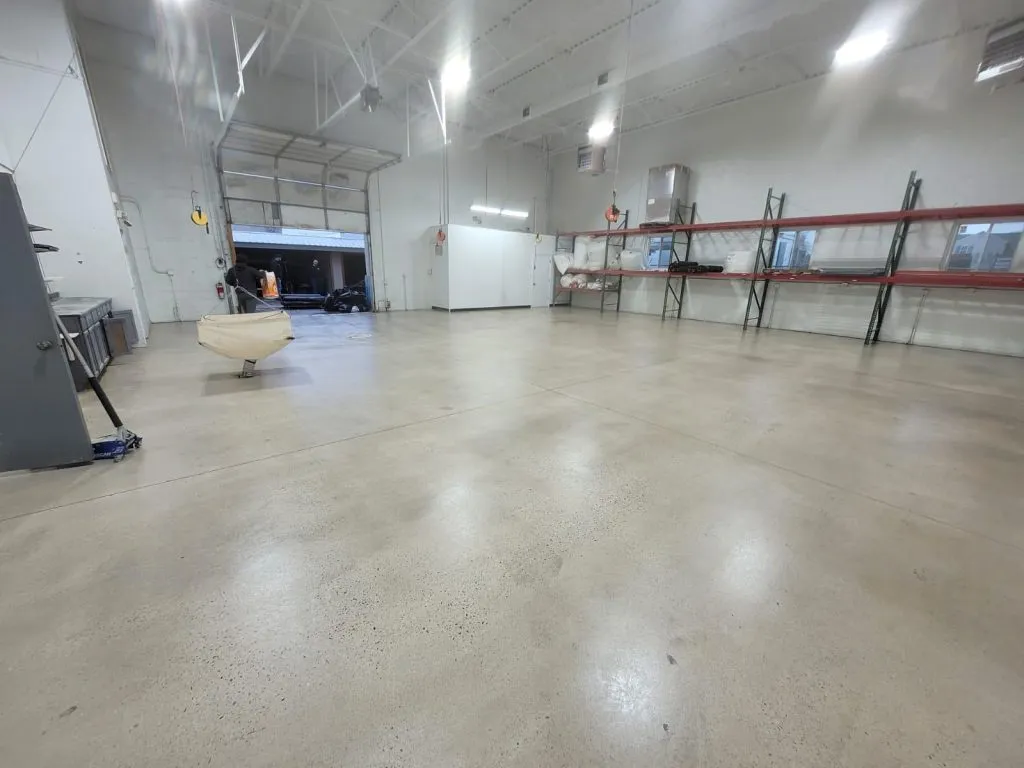
Residential polishing improves a home’s appearance and function through tailored finishes and durable surfaces suitable for everyday living.
- Customization Options: Homeowners can select finishes and colours to match interior design and personal preference.
- Durability for Lower Traffic Areas: Polished concrete resists common wear in residential spaces that receive moderate foot traffic.
- Low Maintenance Needs: Polished surfaces require routine cleaning and limited ongoing maintenance.
Commercial Concrete Polishing
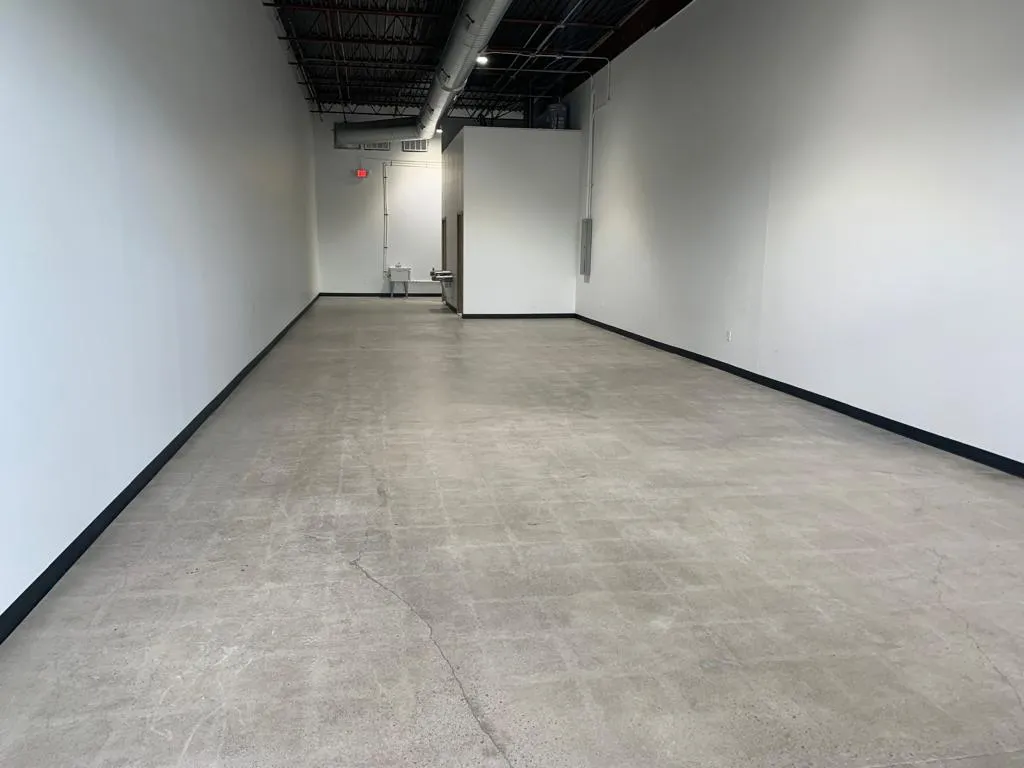
Commercial polishing is specified for high-traffic environments and incorporates measures to ensure longevity and workplace safety.
- Enhanced Durability for High Traffic: Commercial systems are engineered to withstand continuous foot traffic and heavy use.
- Safety Features Like Slip Resistance: Slip-resistant finishes and selections suited to occupancy requirements are available.
- Cost-Effectiveness Over Time: Reduced repair and replacement frequency improves lifecycle costs.
Polishing Processes
Residential Polishing Process
Residential processes are typically streamlined with emphasis on finish quality and visual impact.
- Grinding and Honing Techniques: Initial grinding removes surface defects; subsequent honing produces a smooth base.
- Focus on Visual Appeal: Finishes are selected to achieve the desired gloss and appearance.
- Typical Project Duration: Projects commonly complete within several days to a week, depending on scope.
Commercial Polishing Process
Commercial projects follow a more rigorous, multi-stage protocol to ensure durability across larger areas.
- Multi-Step Process for High Gloss: Multiple grinding and polishing stages create a high-gloss, resilient surface.
- Use of Larger Equipment: Industrial-grade machinery addresses extensive floor areas efficiently.
- Time Considerations for Commercial Projects: Due to scale and complexity, commercial works may extend over several weeks.
Finishing Techniques for Decorative Concrete Polishing
The surface received subsequent polishing using a Multiquip HTX 8 ft (2.4 m) ride-on finishing machine. The slab was floated with a steel pan and then trowelled with steel blades to prepare for final polishing.Near-Surface Qualities of Decorative Concrete., 2021
Durability Insights
Residential Durability
Residential polished concrete tolerates regular household activity but has defined limits in extreme conditions.
- Resistance to Stains and Scratches: Properly finished concrete resists common stains and light abrasion.
- Suitability for Everyday Use: It reliably supports typical domestic use with minimal degradation.
- Limitations Under Extreme Conditions: Areas with persistent moisture or heavy impacts may require alternative solutions.
Commercial Durability
Commercial systems are designed to perform under continuous use and heavier loads.
- Resistance to Wear and Tear: Multi-stage polishing increases resistance to abrasion and surface wear.
- Longevity in Demanding Environments: Commercial floors can remain serviceable for many years with appropriate maintenance.
- Less Prone to Chipping and Cracking: Robust preparation and finishing reduce the risk of damage from equipment and traffic.
Key Differences Between Residential and Commercial Concrete Polishing
- Focus on Aesthetics vs. Durability: Residential work emphasises appearance; commercial work prioritises functional durability.
- Traffic Handling Capabilities: Commercial floors are specified for substantially higher traffic loads.
- Maintenance Needs Comparison: Both types are low maintenance, but commercial floors typically require more frequent inspections.
Variation in Polishing Techniques by Environment
- Techniques for Residential vs. Commercial: Residential jobs often use lighter equipment and fewer stages; commercial jobs use heavy-duty machinery and multiple stages.
- Environmental Considerations: Moisture, traffic, and usage patterns determine method and materials.
- Impact on Final Appearance: Technique choices influence gloss level, texture, and long-term appearance.
Unique Benefits of Residential vs. Commercial Polishing
- Aesthetic Benefits for Residential: Custom finishes enhance interior design and homeowner satisfaction.
- Durability and Safety for Commercial: Commercial finishes improve safety and support continuous operations.
- Cost-Effectiveness in Both Cases: Both approaches reduce long-term repair and replacement costs.
Impact of Concrete Floor Preparation on Polishing Quality
- Initial Evaluation of Concrete: Assessing substrate condition identifies repairs and preparatory needs.
- Surface Cleaning and Grinding: Cleaning and correct grinding eliminate contaminants and surface irregularities.
- Densification Processes: Applying densifiers increases hardness and improves polish retention.
Surface Preparation Techniques for Optimal Polishing
- Initial Evaluation and Cleaning: Remove dirt and debris to prevent defects in the finish.
- Grinding and Leveling Techniques: Diamond grinding tools level the substrate and prepare the profile for polishing.
- Densification Application: Densifiers are applied to strengthen the surface and enhance wear resistance.
Importance of Moisture Evaluation and Crack Repair Before Polishing
- Impact of Moisture on Polishing Quality: Excess moisture can impair adhesion and the final appearance.
- Consequences of Unaddressed Cracks: Unrepaired cracks may propagate during polishing and lead to costly remediation.
- Long-Term Effects on Durability: Proper mitigation ensures a stable, long-lasting surface.
Durability and Maintenance Differences Between Polished Concrete Floors
- Lifespan of Polished Concrete: Both residential and commercial floors can remain serviceable for many years with correct care.
- Maintenance Requirements for Residential vs. Commercial: Residential floors generally need less frequent maintenance than commercial ones.
- Cost of Maintenance Over Time: Long-term costs vary according to traffic, finish level, and maintenance regime.
Performance Comparison Across Residential, Commercial, and Industrial Settings
- Performance Under Different Traffic Levels: Residential solutions suit low-to-moderate traffic; commercial and industrial settings require more robust specifications.
- Suitability for Various Environments: Material and method selection must align with the operational demands of each environment.
- Long-Term Durability Considerations: Anticipated use and maintenance determine achievable service life.
Maintenance Practices to Maximize Floor Longevity and Appearance
- Regular Cleaning Routines: Scheduled cleaning prevents abrasive dirt accumulation and preserves gloss.
- Spill Management Strategies: Prompt removal of spills reduces staining risk.
- Periodic Sealing Recommendations: Reapplying sealant at recommended intervals sustains protection and appearance.
Advantages of Industrial Concrete Polishing Processes
- Efficiency in Large Areas: Techniques are selected to cover substantial floor areas efficiently.
- Durability Under Heavy Use: Industrial finishes withstand heavy equipment and intense traffic.
- Cost-Effectiveness for Businesses: Reduced downtime and lower maintenance contribute to operational savings.
Unique Polishing Steps in Industrial Applications
- Initial Assessment Procedures: A comprehensive condition survey informs the scope and methods.
- Grinding and Honing Techniques: High-capacity equipment is used to prepare and refine the surface.
- Final Inspection Processes: Final inspections verify that the finish meets industrial standards.
Industrial Polishing: Enhancing Abrasion Resistance and Lifecycle Costs
- Enhanced Durability Features: Polishing increases surface hardness and resistance to wear.
- Resistance to Spills and Stains: Proper finishes reduce susceptibility to staining and simplify cleaning.
- Long-Term Savings on Maintenance: Durable surfaces translate to fewer repairs and lower total cost of ownership.
Cost and Return on Investment: Residential vs. Commercial Polishing
- Cost Per Square Foot for Residential vs. Commercial: Residential work generally incurs a lower per-square-foot cost due to reduced complexity.
- Long-Term Value Considerations: Commercial polishing often yields higher ROI where durability reduces lifecycle costs.
- Factors Influencing Pricing: Condition of the substrate, area size, and chosen finish materially affect price.
Factors Influencing Pricing for Different Polishing Services
- Condition of Existing Concrete: Remediation needs increase preparation time and cost.
- Square Footage Considerations: Larger projects may realise efficiency savings; small jobs may have higher unit costs.
- Specialized Finishes and Equipment Needs: Decorative or specialised finishes and specialised machinery raise costs.
Long-Term Value and Savings from Polished Concrete
- Durability and Low Maintenance: Resilient finishes lower the frequency of repairs and replacements.
- Cost-Effectiveness Compared to Other Flooring: Over time, polished concrete can be more economical than many alternative floor systems.
- Enhanced Property Value: Durable, well-finished floors contribute to a positive valuation for the property.
Why Choose Professional Concrete Polishing Services Like GP Concrete Polishing?
- Quality Assurance and Expertise: Experienced professionals apply proven methods and quality controls.
- Long-Term Benefits of Professional Services: Professional workmanship improves durability and appearance over the service life.
- Customized Solutions for Clients: Tailored specifications meet the particular needs of each site and client.
Expertise and Techniques for Superior Polished Concrete Results
- Use of High-Quality Diamond Polish Systems: Diamond systems produce consistent, durable high-gloss finishes.
- Customized Solutions for Different Needs: Specifications are adjusted to traffic levels and aesthetic requirements.
- Best Practices in the Polishing Process: Following established procedures ensures predictable, high-quality results.
Optimizing Concrete Polish: Degree, Methods & Diamond Pads
The study examines how the degree of polish influences hardened air void parameters. In accordance with ASTM C457, samples were polished until light reflected from the surface. The research tested four target air void percentages (control 2%, low 3–5%, medium 5–7%, high >8%). Two polishing media, silicon carbide and diamond, were evaluated across six polishing pad grit sizes. The results identify diamond polish pads as the most economical and preferred method.
Assessing the Degree of Polish on Hardened Concrete Air Void Parameters, A Torres, 2022
Customer Testimonials Reflecting Service Quality and Satisfaction
- Importance of Customer Feedback: Consistent positive feedback indicates dependable delivery and workmanship.
- How Testimonials Build Trust: Testimonials allow prospective clients to assess satisfaction levels from prior projects.
- Examples of Positive Experiences: Many clients report improved aesthetics and sustained performance after professional polishing.
Concrete polishing is a durable and visually appealing flooring option for both homes and commercial properties. Property owners must understand the quality differences between residential and commercial services to select the appropriate solution. This article explains benefits, core processes, and durability considerations to support informed decisions. It emphasises surface preparation, technique selection, and long-term value.
For further information on GP Concrete Polishing and available services, please visit their website for detailed service descriptions.
To further explore the range of services offered, consider visiting commercial polished concrete options for businesses.
For those interested in seeing examples of completed projects, the GP Concrete Polishing Gallery offers a visual showcase of their work.