
Why Concrete Floor Polishing Benefits Outshine Other Flooring Options in Durability and Aesthetics
By GP Concrete Polishing, GP Concrete Polishing
Concrete polishing has become a preferred flooring option because it combines notable durability with strong visual appeal. This article examines the benefits of polished concrete and compares them with other flooring types. It explains how polished concrete endures over time while enhancing the appearance of residential and commercial spaces. Many property owners must balance longevity with design; polished concrete provides a practical solution. The discussion covers durability, aesthetic qualities, and advantages over alternative materials.
Durability
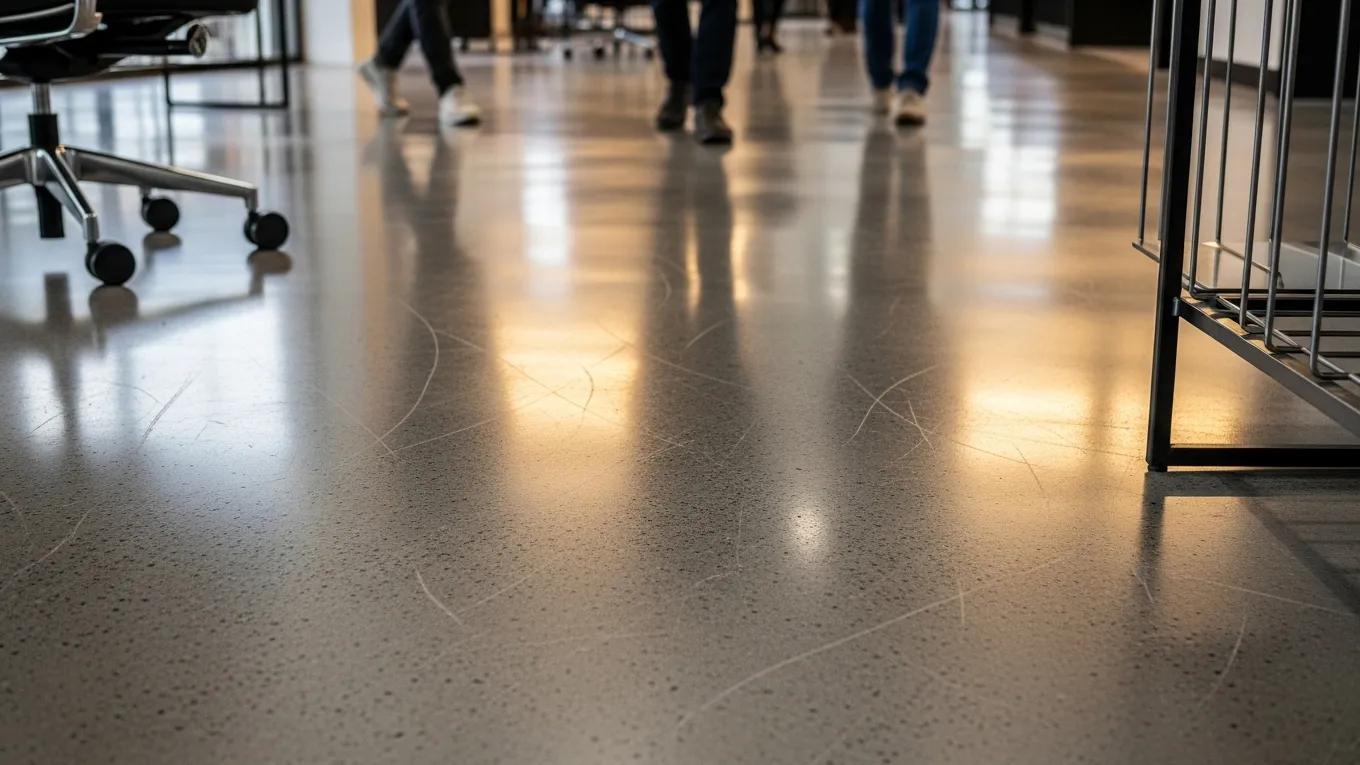
Polished concrete is noted for its exceptional durability and often outperforms traditional flooring. It endures heavy foot traffic, resists stains, and tolerates prolonged wear. A dense surface reduces liquid absorption and limits damage from spills. Polished concrete is also less prone to scratches and dents, preserving its appearance in busy areas.
The following table compares the durability aspects of polished concrete with other flooring options:
The table shows that polished concrete excels in wear and stain resistance while requiring substantially less maintenance than other flooring types. For those seeking a long-lasting flooring solution, polished concrete is a strong contender.
Aesthetic Appeal
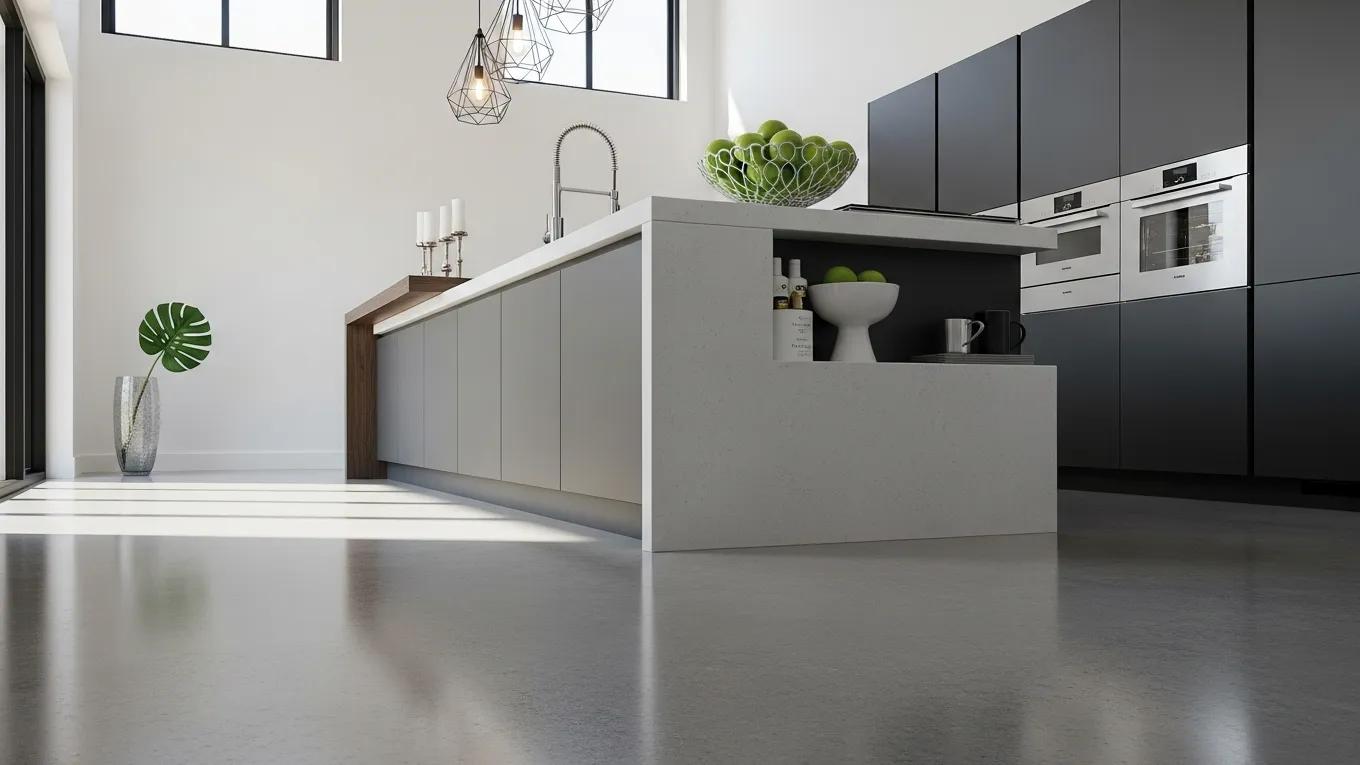
Polished concrete is also valued for its sleek, modern appearance and the ability to tailor finishes to design needs. Owners can select from a range of finishes, colors, and patterns to achieve a high degree of personalization. In both homes and commercial spaces, polished concrete contributes to a refined and professional atmosphere.
GP Concrete Polishing specialises in enhancing spaces with polished concrete. Its expertise delivers tailored solutions that align with client design requirements. The material’s versatility makes it suitable for environments from industrial warehouses to upscale residences.
Customizable Designs
A key advantage of polished concrete is its customizability. Property owners may choose colors and finishes such as matte, satin, or high gloss, enabling seamless integration with existing decor and design schemes. This flexibility makes polished concrete suitable for many applications.
Versatility in Different Settings
Polished concrete adapts to a variety of environments, including residential, commercial, and industrial settings. This versatility makes it a practical option for owners who require a single flooring solution that meets diverse needs.
Advantages Over Alternative Materials
Polished concrete offers multiple advantages over alternative materials. One primary benefit is cost-effectiveness: although initial costs may exceed some options, lower maintenance and replacement expenses deliver savings over time.
Polished concrete is also environmentally favorable because it uses existing concrete slabs and reduces the demand for new materials. This sustainability aspect appeals to consumers who seek to lower their carbon footprint.
Cost-Effectiveness
Choosing polished concrete can reduce lifetime costs. Its durability and low maintenance requirements mean fewer repairs and replacements compared with many other flooring types. This economic benefit is important for both businesses and homeowners.
Eco-Friendly Characteristics
Polished concrete supports sustainable practice by reusing existing concrete and reducing the need for new materials. In many cases, it does not require harmful chemicals for routine maintenance, which strengthens its eco-friendly profile.
While polished concrete is generally considered sustainable, some processing steps—such as the use of densifiers—have environmental considerations.
Sustainable Polished Concrete: Addressing Densifier Impact
The primary sustainability concern has been the environmental impact of concrete densifiers used during the polishing process.
Densify Faster, Densify Cleaner, Densify Greener: Enhancing Polished Concrete Floors, 2010
What Is the Polished Concrete Process and How Does It Enhance Floor Durability?
The polished concrete process includes a sequence of mechanical steps—grinding, honing, densifying, and polishing—that together improve surface strength and appearance. Each step plays a specific role in enhancing durability and finish quality.
Steps Involved in the Polishing Process
- Grinding: The initial step involves grinding the concrete surface to remove imperfections and prepare it for further treatment.
- Honing: This step smooths the surface, creating a refined finish that enhances the overall look of the concrete.
- Densifying: A densifier is applied to the concrete, which penetrates the surface and strengthens it, making it more resistant to wear and stains.
- Polishing: Finally, the surface is polished to achieve the desired shine and finish, resulting in a beautiful and durable floor.
How Does Surface Preparation Impact the Longevity of Polished Concrete Floors?
Proper surface preparation is essential to long-term performance. Ensuring the concrete is free from defects and contaminants allows for optimal adhesion of densifiers and polish, which extends the flooring’s lifespan.
Inspection and Repairs
Prior to polishing, a thorough inspection is required. Cracks and imperfections should be repaired to ensure a smooth, even finish. Attention at this stage is vital for durable results.
Grinding Process
Grinding removes surface defects and opens the concrete pores so that densifiers can penetrate effectively. This step is central to improving the overall durability of the polished floor.
What Are the Key Advantages of Polished Concrete Flooring Compared to Epoxy and Other Materials?
Polished concrete offers clear advantages over epoxy and similar materials, particularly in durability and maintenance. While epoxy provides a protective layer, it can be prone to chipping and often requires regular upkeep to remain in good condition.
Durability
Polished concrete is generally more durable than epoxy and is less susceptible to damage from heavy foot traffic and impacts. This makes it well suited to high-traffic locations where other materials may deteriorate.
Maintenance
Polished concrete requires less maintenance than epoxy. Routine sweeping and occasional mopping are usually sufficient to maintain its appearance, whereas epoxy can demand more intensive cleaning and care.
How Does Polished Concrete Compare to Epoxy Flooring in Durability and Maintenance?
When compared directly, polished concrete is known for superior durability while epoxy is more vulnerable to wear. This difference affects lifecycle costs and maintenance planning.
Resistance to Wear and Tear
The dense surface of polished concrete offers strong resistance to wear in heavy-traffic environments. Epoxy, by comparison, can chip and wear down over time, potentially leading to repair expenses.
The benefits of polished concrete extend to residential applications, where its resilience supports lasting beauty and function.
Maintenance Requirements
Maintenance for polished concrete is minimal and does not typically require specialised cleaning products or techniques. Epoxy may need specific cleaners, which can add to maintenance effort and cost.
What Aesthetic Benefits Does Polished Concrete Offer Over Tile and Carpet?
Polished concrete delivers aesthetic advantages that distinguish it from tile and carpet. Its contemporary, streamlined appearance enhances interior design and is well suited to modern spaces.
Sleek Appearance
A polished finish creates a sophisticated appearance that can elevate both residential and commercial interiors. Achieving a similar effect with tile or carpet is often more challenging.
Reflectivity
The reflective surface of polished concrete increases natural light within a space, producing a brighter and more welcoming environment. In commercial settings, improved lighting can support productivity and customer experience.
How Does Polished Concrete Flooring Reduce Maintenance Effort and Costs?
Polished concrete reduces maintenance effort and associated costs. Its dense surface limits the accumulation of dirt and debris, which simplifies routine cleaning.
Minimal Upkeep Requirements
Regular sweeping and occasional mopping are normally sufficient to keep polished concrete in good condition. The low upkeep requirement translates into cost savings for property owners over time.
Long-Term Benefits
Long-term benefits include lower maintenance expenses and an extended service life, enabling property owners to avoid frequent repairs or replacements.
What Maintenance Practices Are Recommended for Polished Concrete Floors?
Recommended maintenance practices help preserve the finish and prevent damage. Following these practices will support long-term appearance and performance.
Regular Cleaning Practices
Regular cleaning is important: sweep or vacuum to remove debris, then mop with a pH-neutral cleaner to preserve the surface.
Managing Spills
Address spills promptly to prevent staining. While polished concrete resists stains, immediate cleanup maintains the floor’s appearance.
How Does Polished Concrete Minimize Dusting and Improve Cleanliness?
Polished concrete reduces dusting and improves cleanliness through its dense surface, which limits the accumulation of dust and allergens. This characteristic benefits occupants with respiratory sensitivities.
Dense Surface
A dense surface forms a barrier that reduces dust and debris settlement, contributing to a cleaner indoor environment suitable for homes and businesses.
Easy Maintenance
Simple maintenance requirements further support cleanliness, allowing property owners to maintain a healthy environment without extensive cleaning routines.
In What Ways Does Polished Concrete Improve Light Reflectivity and Environmental Benefits?
Polished concrete improves light reflectivity and offers environmental benefits. A reflective surface can reduce dependence on artificial lighting and contribute to energy savings.
Energy Efficiency
Increased reflectivity helps reduce the need for additional lighting, which can lower utility costs and support economic efficiency.
Indoor Air Quality
Polished concrete does not harbour significant dust, allergens, or mold, which contributes to improved indoor air quality. This is particularly important in commercial environments where a healthy atmosphere supports productivity and customer satisfaction.
How Does Increased Light Reflectivity Enhance Commercial and Residential Spaces?
Enhanced light reflectivity transforms commercial and residential spaces by improving appearance and creating a more inviting atmosphere.
Brighter Spaces
The reflective surface brightens rooms and can make them feel larger and more open. This effect is advantageous in smaller areas with limited natural light.
Reduced Lighting Costs
By increasing natural light, polished concrete can reduce lighting costs. Property owners can maintain well-lit interiors with less artificial illumination, producing long-term savings.
What Are the Environmental Advantages of Choosing Polished Concrete Flooring?
Selecting polished concrete offers environmental advantages and supports a healthier indoor environment.
Utilization of Existing Materials
Polished concrete reuses existing slabs, which reduces the need for new materials and minimises construction waste. This approach aligns with eco-conscious building practices.
Reduced Environmental Impact
Greater longevity and durability reduce the frequency of replacements, conserving resources and lowering the overall environmental impact.
What Are Real-World Examples Demonstrating the Durability and Aesthetic Benefits of Polished Concrete?
Practical examples demonstrate polished concrete’s durability and aesthetic benefits across a range of settings. From residences to commercial properties, it has proven to be a dependable and attractive flooring choice.
Durability in High-Traffic Areas
Many businesses have installed polished concrete in high-traffic areas, where it maintains appearance under heavy use. Its performance makes it suitable for retail, restaurant, and warehouse environments.
Aesthetic Appeal in Various Settings
Homeowners value the sleek appearance and customisation options of polished concrete, which enable distinctive and contemporary interior designs.
Which Case Studies Highlight Long-Term Performance in Residential and Commercial Settings?
Several case studies document the long-term performance of polished concrete in both residential and commercial projects, illustrating its durability, design flexibility, and cost-effectiveness.
Residential Applications
In residential settings, homeowners report satisfaction with longevity and low maintenance, choosing polished concrete for contemporary design paired with a durable surface.
Commercial Applications
Commercial projects demonstrate polished concrete’s effectiveness in heavy-use environments; businesses report improved aesthetics and reduced maintenance costs over time.
How Do Customer Testimonials Reflect Satisfaction with Polished Concrete Flooring?
Customer testimonials offer insight into satisfaction levels for polished concrete. Many property owners highlight durability, visual appeal, and minimal maintenance as key benefits.
Durability Feedback
Customers frequently note the flooring’s durability and its ability to withstand heavy use without visible wear. This feedback supports its reputation as a long-lasting option.
Aesthetic Satisfaction
Clients also praise the aesthetic results, citing the modern look and customization options available with polished concrete, which make it a preferred choice in many settings.
To learn more about GP Concrete Polishing and our commitment to quality, visit our website.