


Top Commercial Concrete Polishing in Southeast Michigan
Transform your space with top commercial concrete polishing in Southeast Michigan. Achieve stunning warehouse and industrial floors that impress and last.
Transform your space with top commercial concrete polishing in Southeast Michigan. Achieve stunning warehouse and industrial floors that impress and last.
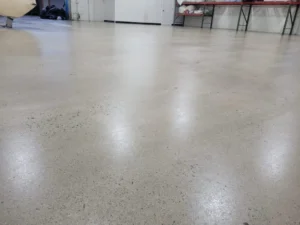
Concrete polishing pricing in Michigan varies in 2025. Homeowners can expect competitive rates and quality service. Learn what influences the costs today!
Compare epoxy and polished concrete flooring to find the perfect match for your space. Learn about durability, aesthetics, and maintenance options today.
Unveil the differences in quality between residential and commercial concrete polishing services. Learn what sets them apart for your next project today!

Transform your space with concrete polishing! Enjoy unmatched durability and stunning style, perfect for every environment. Elevate your flooring choice today!
Maintain your polished concrete surfaces effortlessly with essential post-polishing care tips. Ensure longevity and shine for a stunning floor today!
polished concrete floors commercial, commercial polished concrete floors
commercial concrete polishing, concrete polishing near me, concrete grinding and polishing contractors, concrete floor polishing contractors, concrete floor polishing services, concrete polishing company, concrete polishing contractors, polished concrete floor contractor, polished concrete floor company, large scale concrete polishing services, gp concrete, polished concrete auburn in, polished concrete rochester mi, garage concrete polishing, polished concrete gross pointe mi
The concrete polishing process is a multi-stage method designed to transform a raw concrete slab into a smooth, durable, and aesthetically pleasing floor. It involves mechanical grinding and polishing using progressively finer abrasive tools, typically diamond-impregnated pads.
This process typically begins with coarse grit diamond pads to remove imperfections and existing coatings, followed by intermediate grits for honing and smoothing. The final stages utilize very fine grits to achieve the desired sheen, ranging from a satin to a high-gloss finish. Sealers and densifiers are often applied during or after the polishing to enhance durability and stain resistance.
Polished concrete offers significant advantages for commercial environments, including exceptional durability, low maintenance requirements, and a modern aesthetic. Its hard, smooth surface can withstand heavy foot traffic and machinery, making it ideal for retail stores, warehouses, and industrial facilities.
Beyond its practical benefits, polished concrete contributes to a brighter and more spacious feel due to its light-reflective properties. It also offers a sustainable flooring solution by utilizing existing concrete slabs, reducing waste and the need for additional materials, and it can be customized with various colors and patterns to match branding.
The cost of concrete polishing is influenced by several key factors, making it essential to understand these variables for accurate budgeting. The most significant determinants include the size of the area to be polished, the current condition of the concrete, and the desired level of finish.
Larger areas generally incur lower per-square-foot costs due to economies of scale. The existing condition of the concrete, such as the presence of cracks, stains, or previous coatings, can necessitate additional preparation work, increasing labor and material expenses. Furthermore, achieving a higher gloss finish typically requires more passes with finer grit pads, leading to higher costs compared to a matte or satin finish.
Selecting a qualified concrete polishing contractor is crucial for achieving a high-quality, long-lasting finish. A reputable contractor will possess the necessary expertise, experience, and equipment to handle the complexities of the polishing process effectively.
When evaluating potential contractors, it's advisable to review their portfolios of past projects, check for client testimonials or references, and inquire about their experience with similar types of concrete and desired finishes. Understanding their process, the equipment they use, and their approach to dust control and site preparation can also provide valuable insights into their professionalism and capabilities.