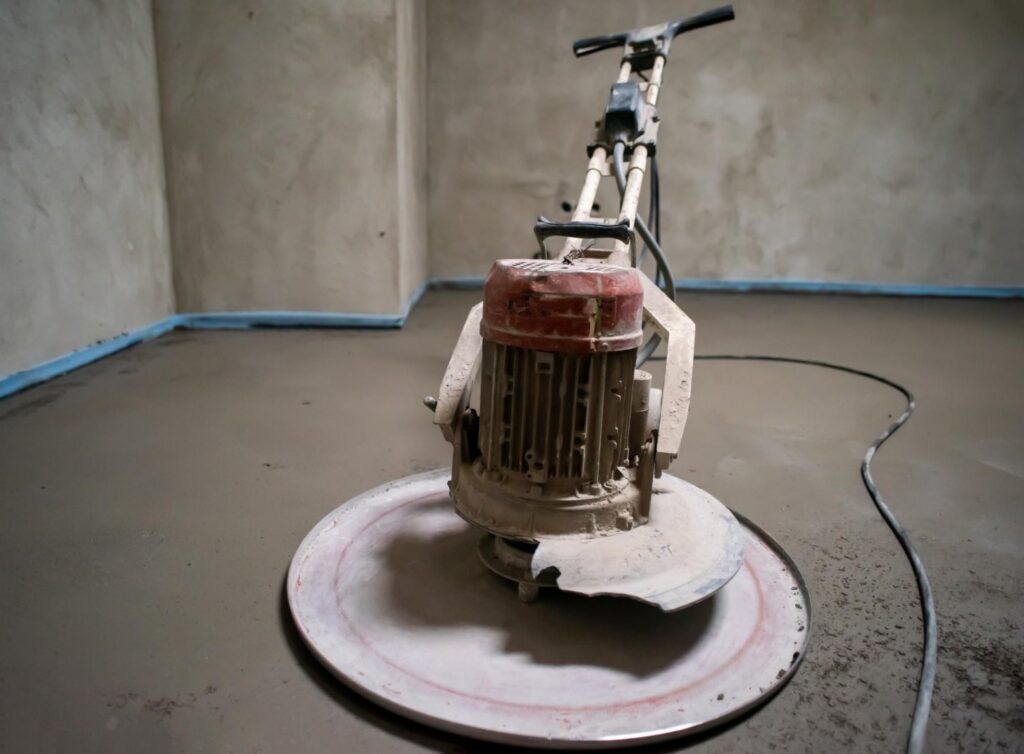

Benefits of Polished Concrete for Commercial Spaces
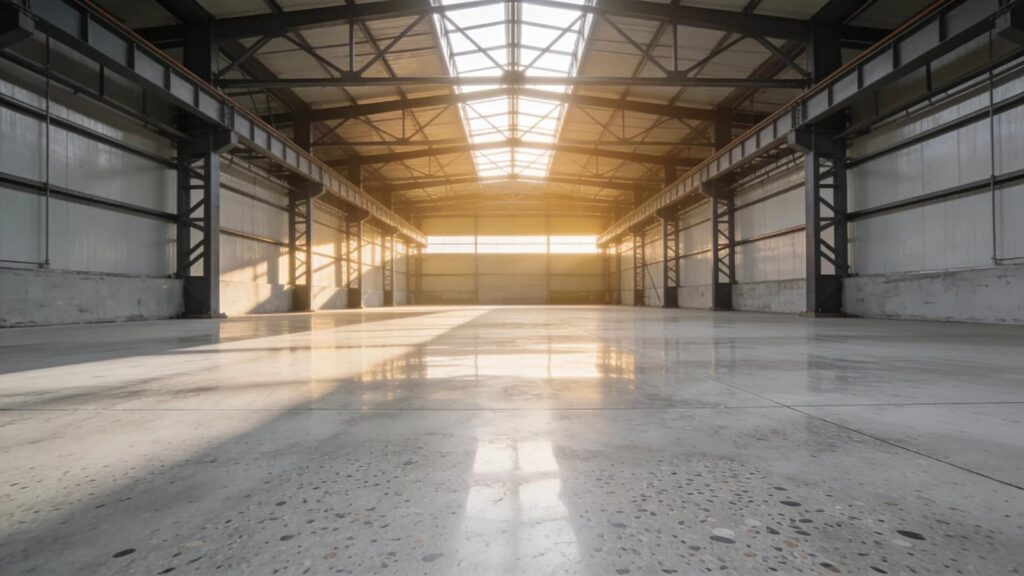
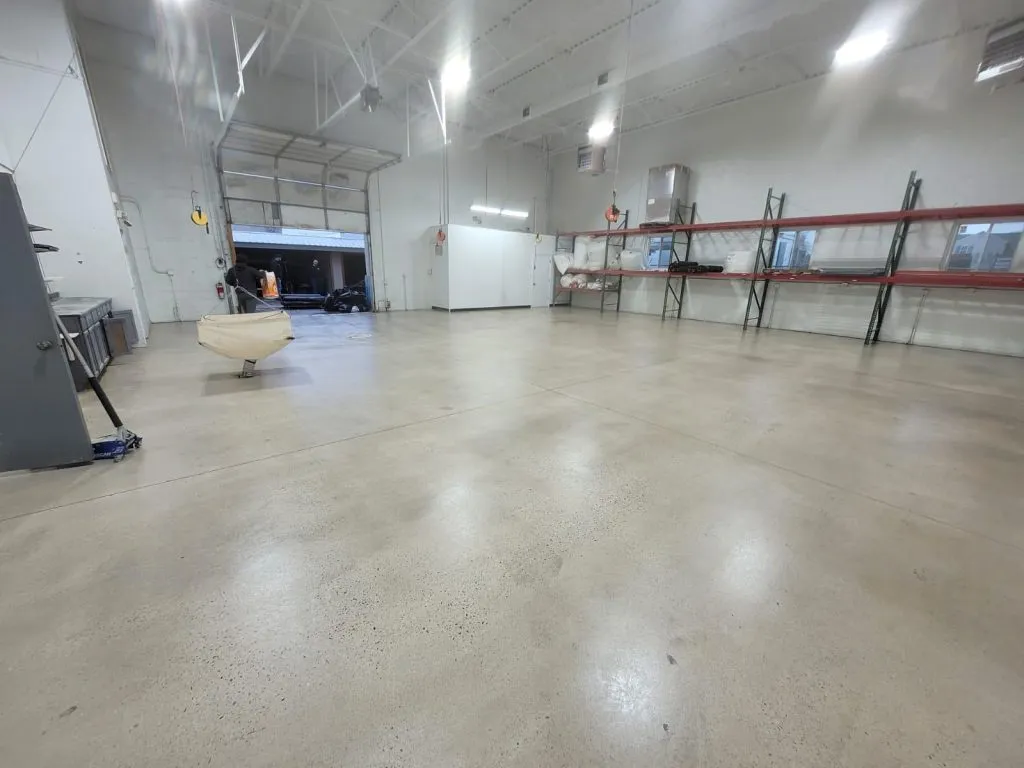
Polished concrete offers a highly durable and aesthetically pleasing flooring solution for a wide range of commercial environments. Its seamless surface is resistant to stains, chemicals, and heavy foot traffic, making it ideal for retail stores, restaurants, warehouses, and office buildings. The reflective nature of polished concrete can also improve lighting conditions, reducing the need for artificial illumination and contributing to energy savings.
Beyond its practical advantages, polished concrete provides a modern and sophisticated look that can enhance the overall ambiance of a commercial space. It's a cost-effective alternative to other flooring materials, requiring minimal maintenance and offering a long lifespan. This makes it a smart investment for businesses looking to upgrade their facilities while minimizing ongoing costs and disruption.
Residential Concrete Polishing for Modern Homes
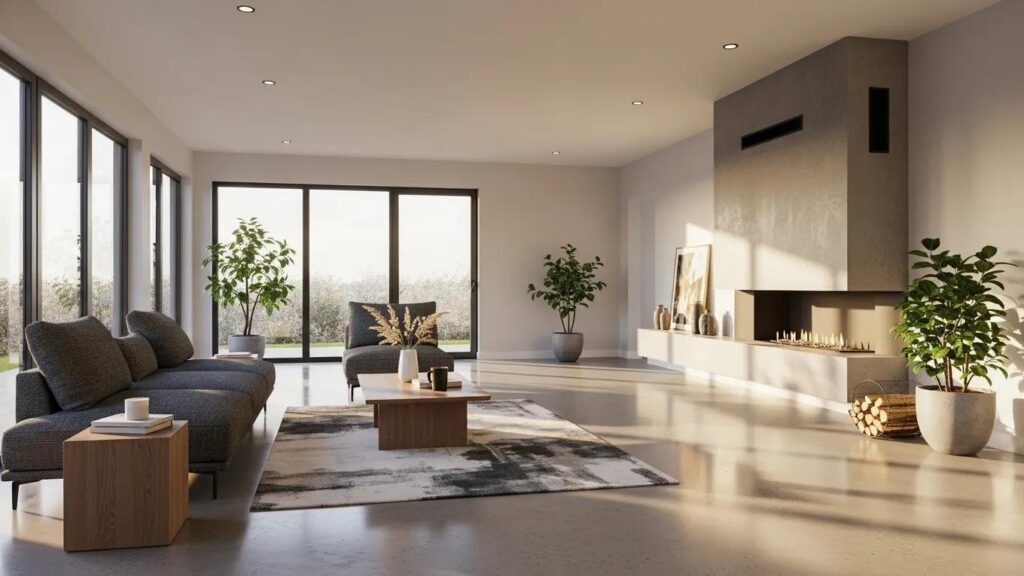
For homeowners, polished concrete floors offer a sleek, contemporary upgrade that combines style with exceptional durability. This finish is perfect for living areas, kitchens, and basements, providing a seamless and easy-to-clean surface that can withstand the demands of daily family life. The ability to customize the sheen level, from matte to high gloss, allows for a tailored aesthetic that complements any interior design.
The benefits extend beyond appearance; polished concrete is a sustainable choice, utilizing the existing concrete slab and requiring no additional materials. It's also hypoallergenic, as it doesn't harbor dust mites or allergens. Furthermore, its thermal properties can contribute to a more comfortable home environment, retaining heat in cooler months and staying cool in warmer weather, potentially reducing energy bills.
The Process of Concrete Polishing Explained
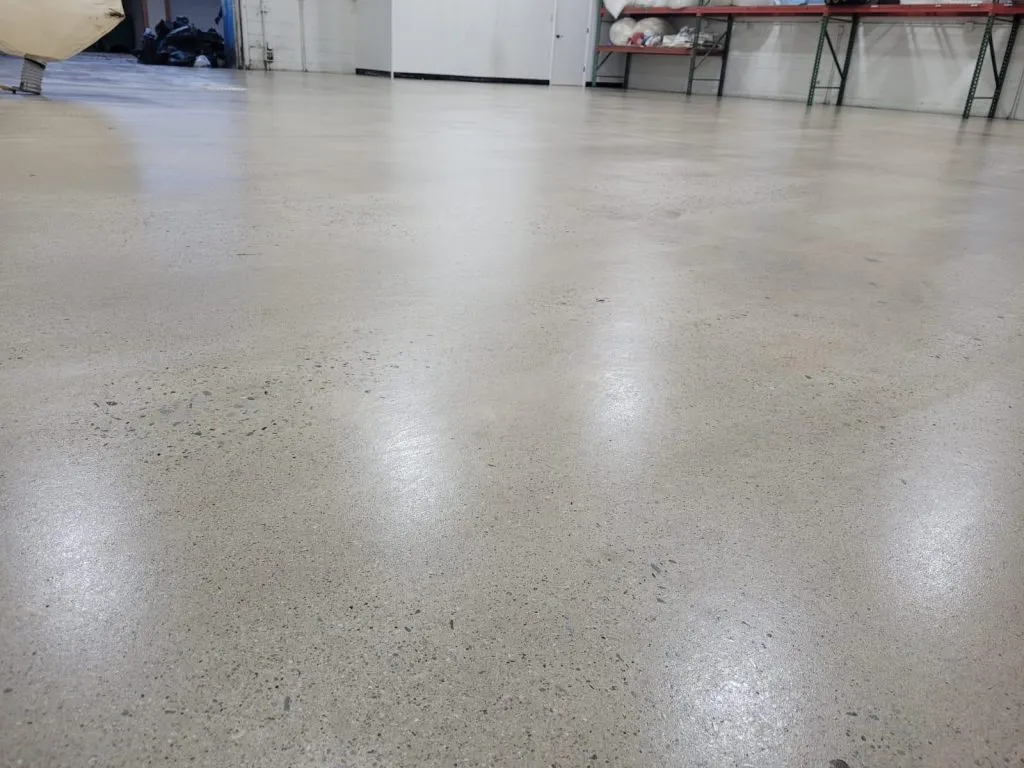
Concrete polishing is a multi-step mechanical process that transforms a raw concrete floor into a smooth, dense, and highly reflective surface. It begins with grinding the concrete using progressively finer grit diamond abrasives to remove any existing coatings, stains, or imperfections and to open the pores of the concrete. This initial grinding stage is crucial for preparing the surface for subsequent treatments.
Following the grinding, a chemical densifier is applied to penetrate the concrete and react with the calcium hydroxide, hardening and strengthening the surface. This is followed by further stages of polishing with increasingly finer diamond abrasives, often including a final burnishing step to achieve the desired level of gloss and durability. The result is a floor that is not only beautiful but also incredibly resilient and easy to maintain.
Maintaining Your Polished Concrete Floors
Maintaining the pristine appearance and durability of polished concrete floors is straightforward, requiring only basic cleaning practices. Regular sweeping or dust mopping is essential to remove grit and debris that could potentially scratch the surface over time. For deeper cleaning, a pH-neutral cleaner and a microfiber mop are recommended to avoid damaging the sealant or the polished finish.
To ensure longevity, it's advisable to address spills promptly and to use doormats at entrances to trap dirt and moisture. While polished concrete is highly resistant, avoiding harsh chemicals, abrasive scrubbers, or excessive water is key. Periodic reapplication of a guard or sealer, typically every 1-3 years depending on traffic and wear, can further protect the surface and maintain its shine, ensuring your floors look their best for years to come.